

The ABCs of IEP Meet the Experts: Understanding Gifted Assessments with Kandece Skinner, LEP
As parents, understanding the unique needs of gifted children can be challenging, especially when navigating the educational landscape. In our latest podcast episode, I had the pleasure of speaking with Dr. Kandace Skinner, founder of Pivotal Pathways Psychology, who specializes in assessments for learning differences, ADHD, and autism. Dr. Skinner sheds light on the often-misunderstood world of gifted assessments and what they mean for a child's education in California. Giftedness is not just about high IQ; it encompasses a range of cognitive abilities that can manifest in various ways. Dr. Skinner explains that gifted children may exhibit asynchronous development, where their advanced skills in one area do not align with their peers in social or emotional contexts. This complexity makes it essential for parents to recognize signs of giftedness and seek appropriate evaluations.
If you're a parent grappling with questions about your child's giftedness or how to navigate educational assessments, this episode is a must-listen. Dr. Skinner's insights will empower you to advocate for your child's needs and provide them with the support they deserve. Tune in now to gain a deeper understanding of gifted assessments and the educational pathways available for your child.
Meet the Expert
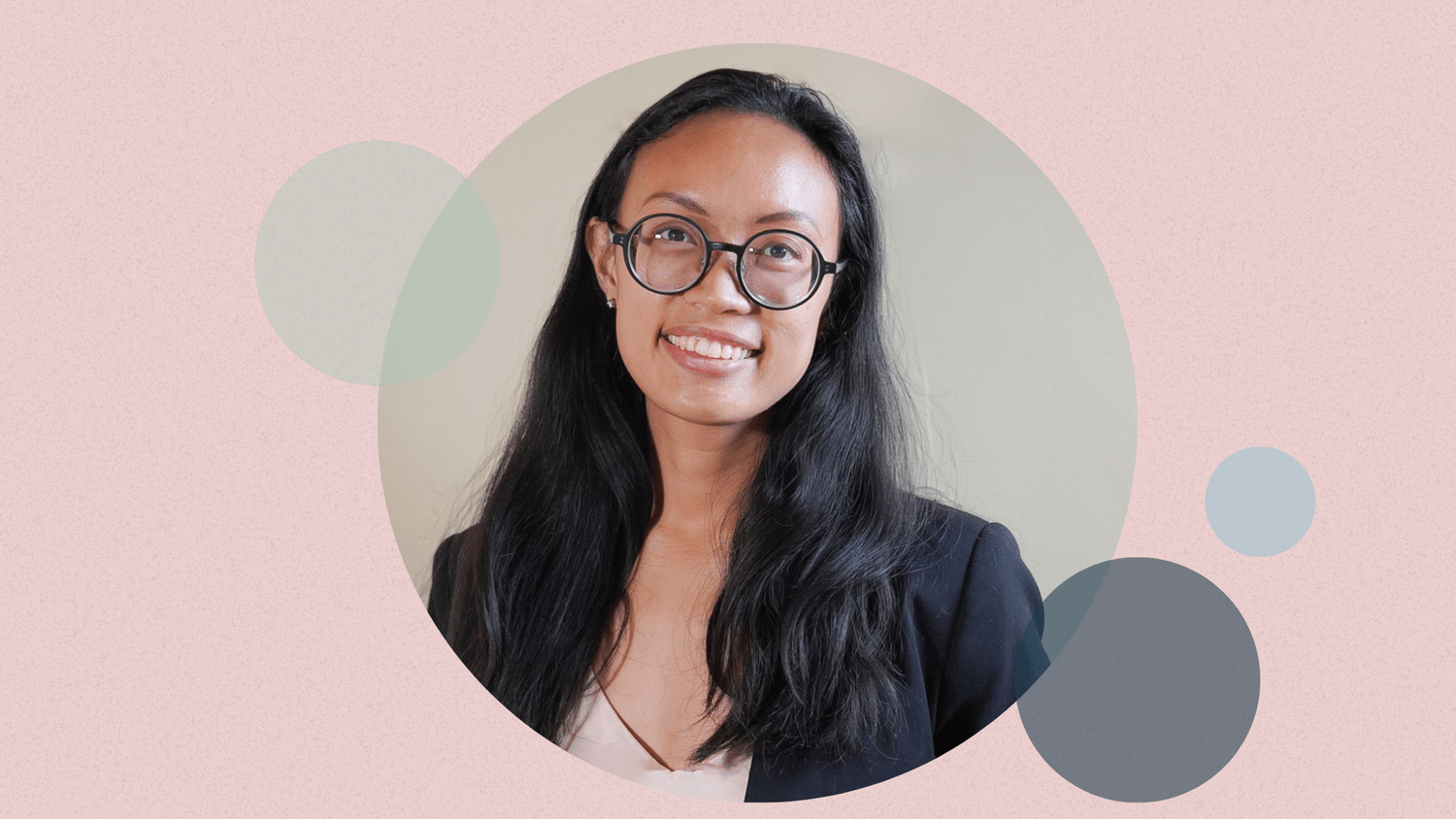
Kandece Skinner
Dr. Kandece Skinner is a Licensed Educational Psychologist with over a decade of experience supporting students, families, and schools in achieving positive educational and mental health outcomes. Dr. Skinner specializes in evaluating learning differences, ADHD, Autism, and emotional/behavioral differences. She utilizes a collaborative and inclusive approach that honors individual strengths while addressing barriers to learning and emotional well-being.
Key Takeaways
Giftedness is not just about high IQ; it encompasses a range of cognitive abilities that can manifest in various ways. Dr. Skinner explains that gifted children may exhibit asynchronous development, where their advanced skills in one area do not align with their peers in social or emotional contexts. This complexity makes it essential for parents to recognize signs of giftedness and seek appropriate evaluations.
One of the key takeaways from our conversation is the difference between a gifted assessment and a standard psychoeducational evaluation. While the latter is comprehensive and looks at various aspects of a child's learning and emotional needs, a gifted assessment primarily focuses on cognitive abilities through standardized IQ tests. Understanding this distinction is crucial for parents considering educational options, especially if they are looking at private schools that require specific evaluations for admission.
Dr. Skinner also addresses the concept of twice exceptionality, where a gifted child may also have learning disabilities or emotional challenges. This duality can complicate their educational experience, making it vital for parents to advocate for their child's needs effectively. In California, where formal gifted programs may be lacking, parents often have to become creative in collaborating with school districts to ensure their children receive the support they need.
Throughout the episode, Dr. Skinner emphasizes the importance of communication between parents and educators. By establishing a collaborative approach, parents can help schools understand their child's unique needs and work towards implementing appropriate accommodations or interventions.
Continuing the Journey: Collaborative Support
Connect with Monica
Identifying a gifted or twice-exceptional (2e) learner is only the first step. If Kandece has identified your child’s unique potential, Monica Trost, LEP, can help you navigate the IEP meeting with her IEP Consultation service, to help have access to learning opportunities and necessary accommodations within the public school system. Schedule your free consultation today!
Connect with Kandece
If your journey involves supporting a high-potential or twice-exceptional (2e) learner, Kandece Skinner provides expert gifted assessments and pathways to help bright students thrive by identifying their unique strengths and educational needs. You can reach Kandece here to learn more.
Your Prepared Parent Toolkit
Struggling to organize your thoughts for the next school meeting? Use the exact tool I use with my clients to stay focused on your child's strengths and needs.

Monica Trost is the founder of Prepared Parent Advocate. She is an educational consultant, licensed educational psychologist, and mother of children with disabilities. She works with families virtually across California.
Monica Trost, Licensed Educational Psychologist #4660
© 2026 Prepared Parent Advocate